It was Easter morning, single digit temperatures, and I was huddled in my sleeping bag, back pressed against my friend Amber as I maneuvered to find warmth. When the sun finally rose, I sat up and reached for the zipper of our tent, eager to move my body and explore the frozen wonderland around us. Instead, I sat back silently in surprise at the animal face that greeted me. It was a fox with lustrous red fur, a small black nose, and shining eyes and it observed me calmly and seemingly without curiosity, as if to say, “Yes, I knew that you’d be here and that’s why I came to talk.” A moment passed, and the fox was gone.

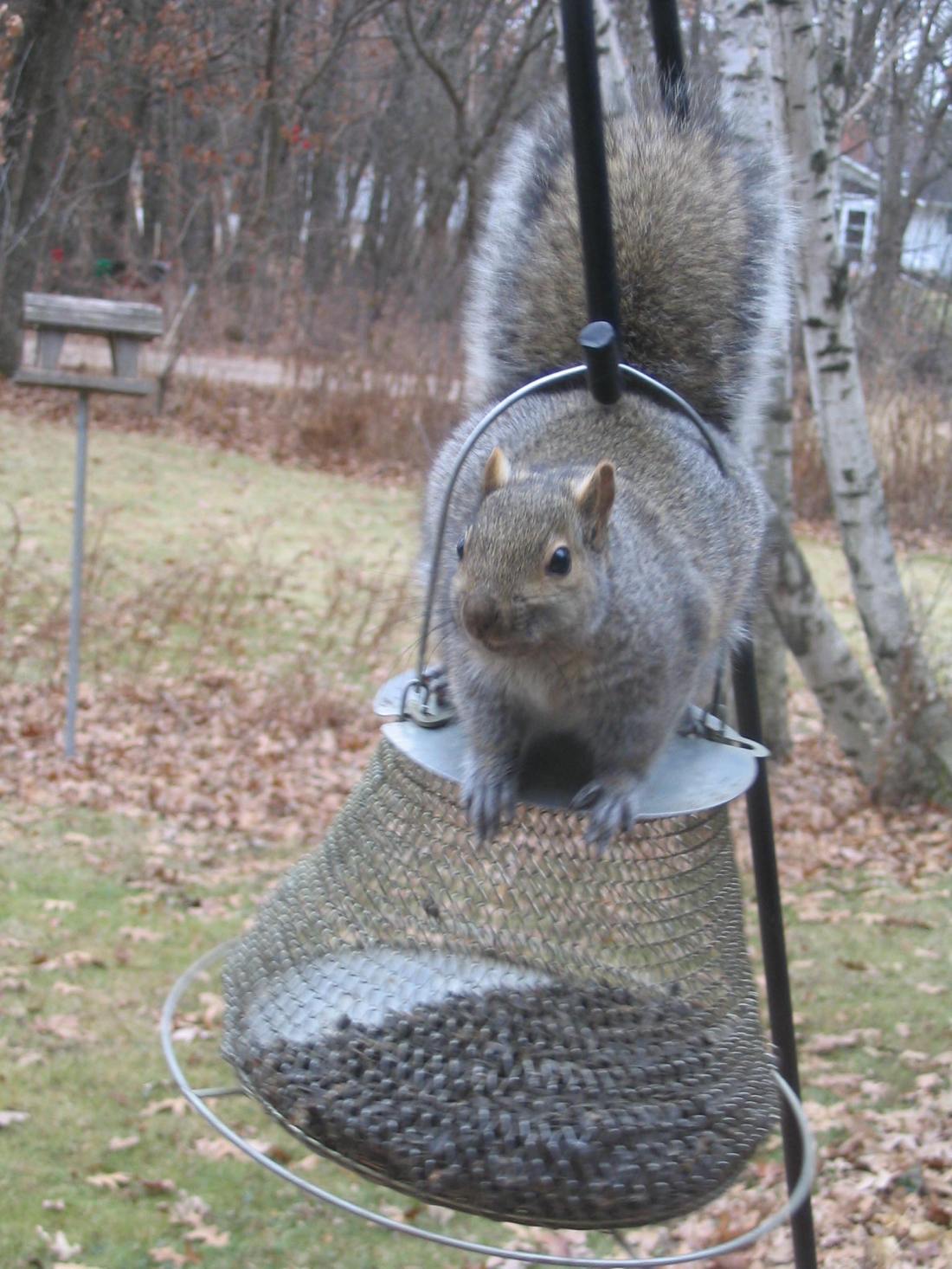
We share our world with the plants and animals around us, and often, some of our most memorable experiences involve close encounters with wildlife – a deer that passed by so closely, you could see the hairs on its back, a bald eagle that swooped down to snag a fish from the lake directly in front of your boat, or perhaps the chipmunks that sneak onto your porch each morning to steal peanuts and sunflower seeds.
When the Easter fox came to greet me, I was camping on a frozen lake in the Boundary Waters Canoe Area Wilderness, at least five miles from the nearest road or cabin. Closer to home, however, I certainly see my share of wildlife as well. On a lunchtime run this past summer, I turned the corner and almost literally ran into a buck that was standing smack in the middle of the trail at Valley View Park in Oak Park Heights. The deer and I both screamed before he pivoted and leapt off the trail and into the woods, luckily without trampling me in the process.
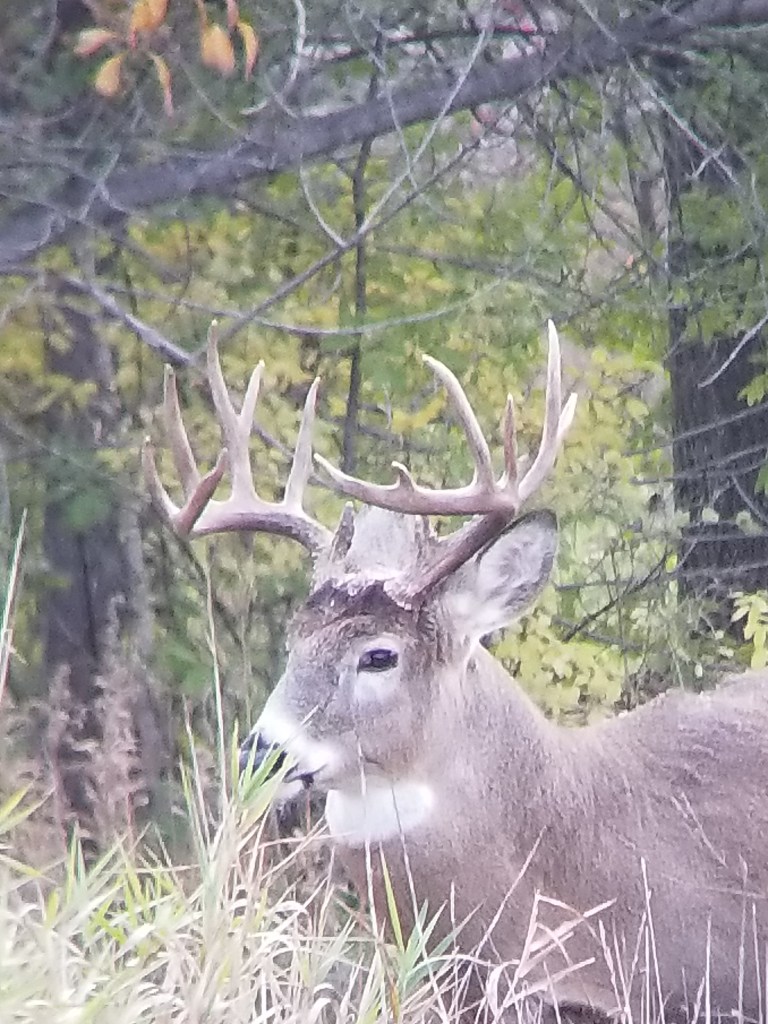
There is also a family of crows that lives in the pines behind our house and carries on animated conversations at triple volume throughout the day. I imagine them as a college fraternity where friends are constantly stopping by and yelling hello at the top of their lungs. They seem to get along well with the grey squirrels, who are constantly eating and get fatter by the day. Most likely, they’re united in alliance against our dog, who tries and fails to patrol the yard and keep it clear of deviant rodents and birds. Perhaps you have a wildlife story of your own?

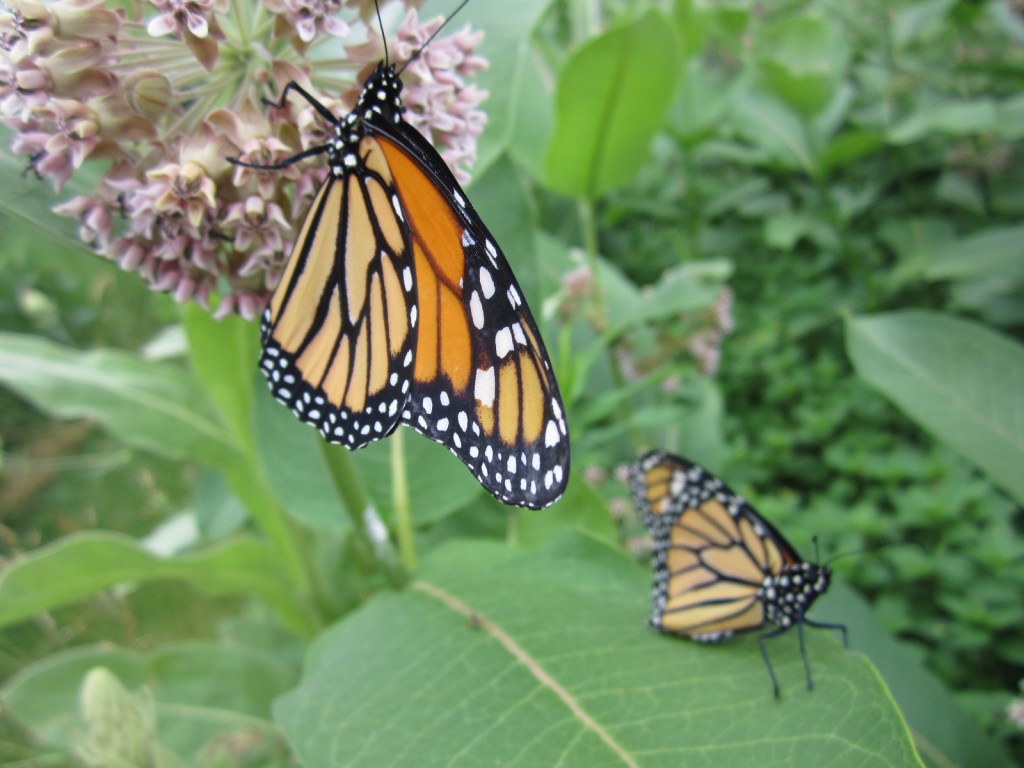

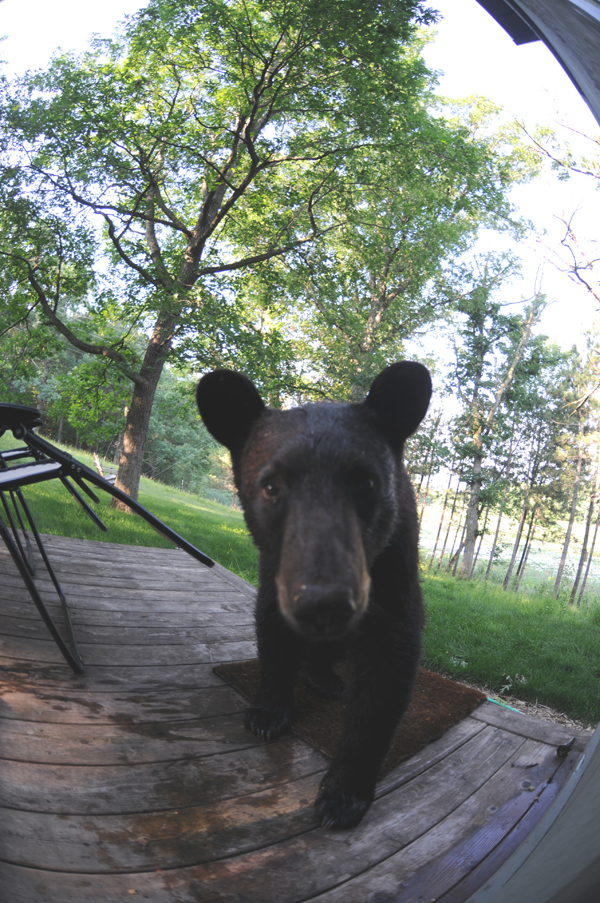
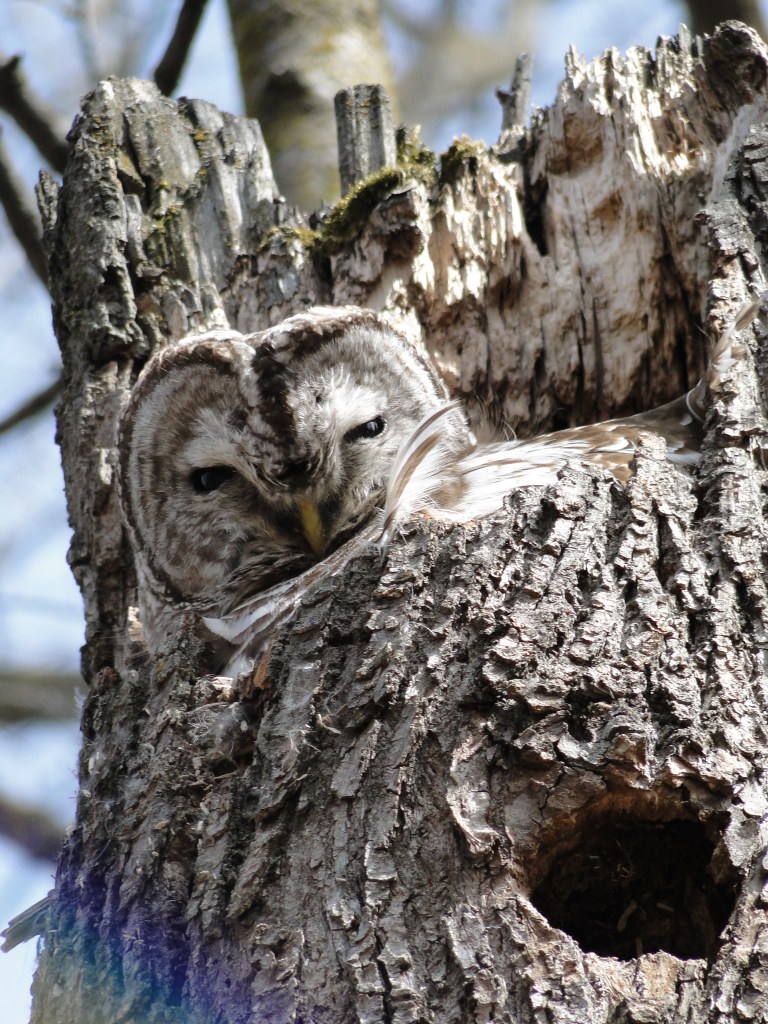
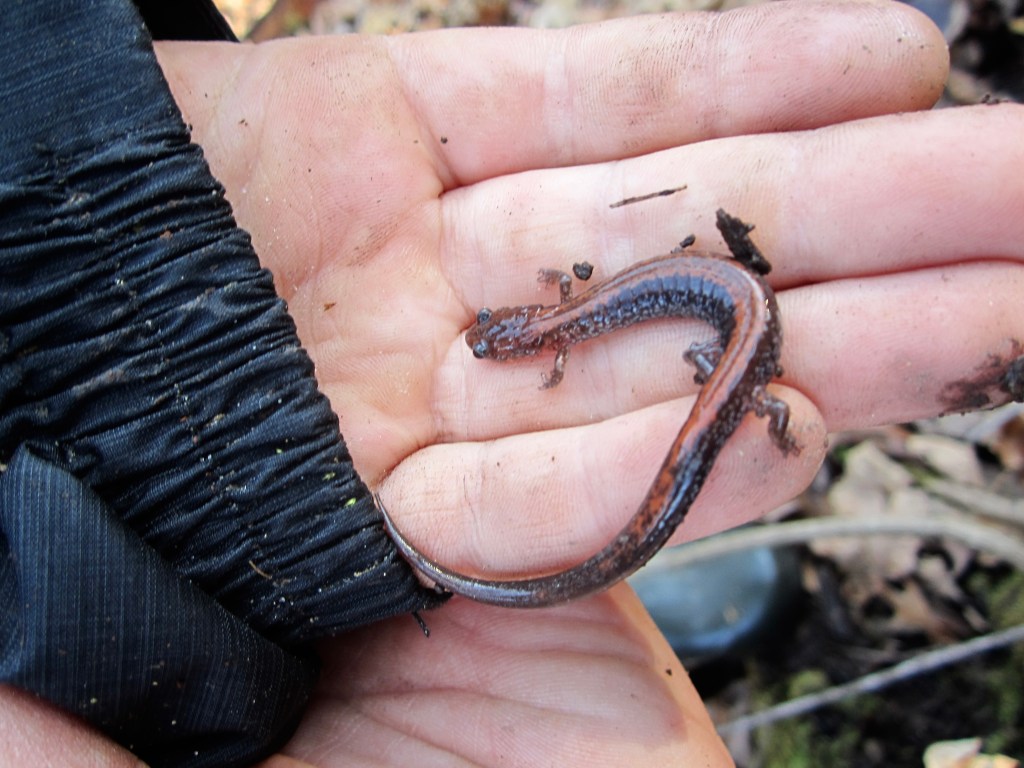
Hannah Peterson, an AmeriCorps member at the Washington Conservation District, is currently collecting wildlife photos and stories, which she plans to compile into a story map this winter. Her goal is to share the importance of protecting wildlife in the community and highlight some of the species that people can see in Washington County and the St. Croix Valley. Peterson is also analyzing data submitted to HerpMapper (reptiles and amphibians) and iNaturalist, as well as habitat maps created by the Conservation District, in order to identify possible locations where wildlife crossings (like the turtle tunnel on Hwy 4 in May Township) could help to reduce animal mortalities.
If you have photos and stories of memorable animal encounters, you can submit them online at tinyurl.com/wildlifestories to have them included in the story map that Peterson is creating. While the focus is on Washington County, submissions from everywhere are welcome. In particular, the Conservation District is interested in hearing from people who have restored habitat on their land – everything from small pollinator gardens to large-scale prairie plantings – to learn if they are seeing more wildlife or new wildlife as a result of their planting projects.

 East Metro Water